Pakistan Grants Crypto NOCs to Binance and HTX, Explores $2 Billion Bond Tokenization
Pakistan Opens the Door to Binance and HTX
Pakistan has taken a significant step toward formalizing its digital asset sector, granting no-objection certificates (NOCs) to global crypto exchanges Binance and HTX, according to an announcement made Friday by the Pakistan Virtual Assets Regulatory Authority (PVARA).
The NOCs allow both exchanges to begin preparatory work, including:
registering for anti-money laundering (AML) compliance
setting up local legal and operational entities
aligning with global regulatory standards
While the approval does not yet authorize full retail operations, it signals Pakistan’s intention to integrate crypto platforms into a regulated framework rather than push activity offshore.
High-Profile Visit Signals Strategic Intent
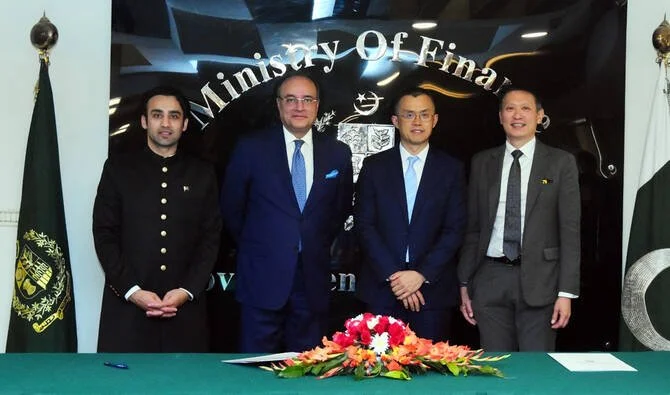
The announcement followed a high-level visit by Changpeng “CZ” Zhao, founder of Binance, alongside Justin Sun, founder of HTX. The two met with senior Pakistani officials, including members of the finance ministry, to discuss the country’s digital asset strategy.
During the visit, Pakistan’s finance minister signed a non-binding memorandum of understanding (MoU) with the visiting executives to explore the tokenization of up to $2 billion worth of:
government bonds
sovereign reserves
public-sector financial instruments
Although exploratory in nature, the agreement places Pakistan among a growing group of countries considering blockchain-based issuance to modernize debt markets.
Why Bond Tokenization Matters
Tokenizing government bonds would allow Pakistan to:
issue bonds on a blockchain ledger
improve transparency and auditability
enable faster settlement and reduced costs
potentially attract global digital-native investors
Supporters argue that tokenization could help Pakistan broaden its investor base, improve capital efficiency, and position itself as a regional fintech and crypto hub.
Globally, asset managers and governments — including firms like BlackRock — have identified tokenization of real-world assets (RWAs) as a key future trend in finance.
A Proud Moment for a Crypto-Heavy Nation
Pakistan consistently ranks among the top countries globally for crypto adoption, driven by:
a large unbanked population
strong remittance flows
currency volatility
high mobile and internet penetration
For many observers, granting NOCs to major exchanges reflects an effort to bring an already active informal crypto economy into a regulated environment.
Officials have framed the move as a way to:
protect consumers
improve compliance
attract foreign investment
modernize financial infrastructure
Criticism and Calls for Transparency
Not everyone is celebrating.
Former finance minister Asad Umar publicly questioned the process, asking why Pakistan chose Binance and HTX rather than exploring partnerships with a broader range of global financial institutions, including traditional asset managers like BlackRock.
His concerns center on:
transparency in partner selection
governance and oversight
long-term risk management
reputational considerations
The criticism highlights a broader tension facing emerging markets: balancing rapid innovation with institutional credibility and robust governance.
What Comes Next
In the near term, Binance and HTX must complete compliance steps before launching any consumer-facing services. Regulators are expected to:
finalize licensing frameworks
clarify custody and consumer protection rules
outline tokenization pilots for government debt
If successful, Pakistan could become one of the first major developing economies to combine regulated crypto exchanges with sovereign asset tokenization.
Conclusion: A Strategic Bet on Digital Finance
Pakistan’s decision to grant crypto NOCs and explore bond tokenization marks a bold attempt to align with global financial innovation while formalizing domestic crypto activity.
The initiative carries both opportunity and risk. Done well, it could modernize capital markets and attract new investment. Done poorly, it could raise governance and regulatory challenges.
For now, Pakistan has sent a clear message: it intends to be part of the next phase of global digital finance.